
高中生物科野外考察課程
Field Study Courses for Senior Secondary Biology
update on 2021 August 25
____________________________________________________________________________________
2019冠狀病毒病(COVID-19)大流行下的
生物科實地考察活動安排
Arrangement of Biology Field Study
in the Wake of COVID-19 Pandemic
____________________________________________________________________________________
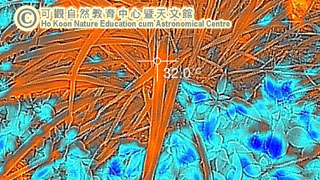
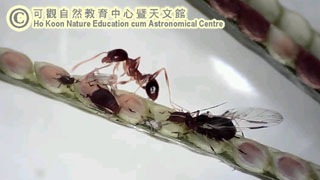
窺探看不見的生物世界 Looking into the invisible biological world
利用各種小工具,觀察和記錄大自然內肉眼看不見的生物和生物現象。Use various gadgets to observe and record invisible living organisms and biological phenomena in the wild.
考察地點 Field Site: 可觀生態徑 Ho Koon Eco Trail (步行前往考察地點 Walk to the field site)
適合考察時間 Suitable time for field work:全年 Whole Year
考察報告示例 Field Study Report Example
____________________________________________________________________________________
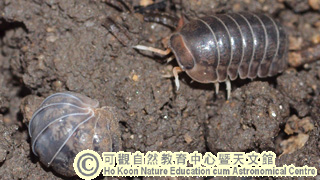
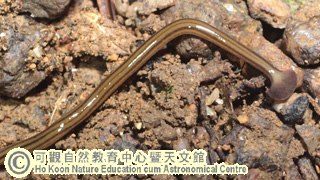
小生境探奇 Exploring Microhabitats
在新奇有趣的各個小生境中,應用和驗證生態學知識和概念。Apply and verify ecology knowledge and concepts in various novel micro-habitats.
考察地點 Field Site: 可觀生態徑和下花山 Ho Koon Eco Trail & Ha Fa Shan (步行前往考察地點 Walk to the field site)
適合考察時間 Suitable time for field work:全年 Whole Year
下載《小生境探奇》中英雙語工作紙 Download《Micro-habitats》Chinese & English bilingual worksheet
考察報告示例 Field Study Report Example
___________________________________________________________________________________
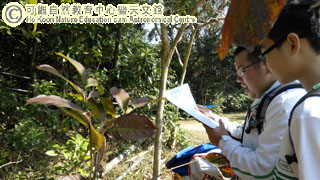
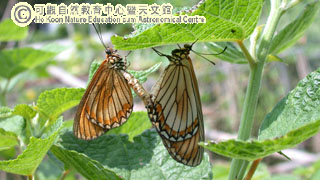
生物多樣性速查 Bioblitz
利用各種取樣方法,短時間內調查各類生物,同時調查生境和生態現象,亦會深入觀察特定生物。Apply different sampling methods, rapidly survey different groups of living organisms. At the same time, habitats and ecological phenomenons are surveyed, selected species are studied comprehensively.
考察地點 Field Site: 下花山 Ha Fa Shan (步行前往考察地點 Walk to the field site)
適合考察時間 Suitable time for field work:全年 (3-11 月較佳) Whole Year (better from March to November)
下載《生物多樣性速查》中英雙語工作紙 Download《Bioblitz》Chinese & English bilingual worksheet
考察報告示例 Field Study Report Examples
____________________________________________________________________________________
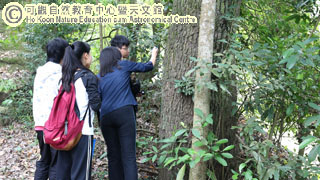
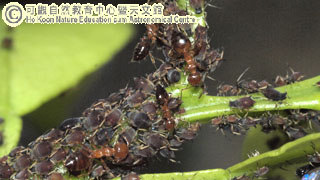
共生世界多面睇 The symbiotic world
在自然環境中找尋各種共生關係的例證,並進行深入觀察和詳細紀錄。Search for real examples of various symbiotic relations in the natural environment, followed by in-depth observation and comprehensive recording.
考察地點 Field Site: 可觀生態徑和下花山 Ho Koon Eco Trail & Ha Fa Shan (步行前往考察地點 Walk to the field site)
適合考察時間 Suitable time for field work:全年 Whole Year
下載《共生世界多面睇》中英雙語工作紙 Download《The symbiotic world》Chinese & English bilingual worksheet
考察報告示例 Field Study Report Examples
____________________________________________________________________________________
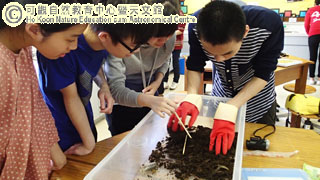
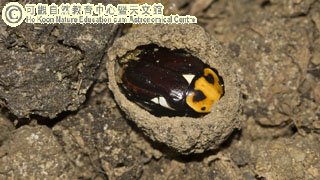
牛糞小生境大揭秘 Big secret of the cow dung micro-habitat
量度和評估野外牛糞的非生物因子,並且找出牛糞小生境中極多樣化的小動物,藉此進一步了解演替作用和動物如何適應獨特環境。Measure and access the abiotic factors of cow dungs found in wild, and find out the highly diversified small animals living in the cow dung micro-habitat, in order to better understand ecological succession and how animals adapt to special environment.
考察地點 Field Site: 下花山 Ha Fa Shan (步行前往考察地點 Walk to the field site)
適合考察時間 Suitable time for field work:全年 Whole Year
下載《牛糞小生境大揭秘》中英雙語工作紙 Download《Big secret of the cow dung micro-habitat》Chinese & English bilingual worksheet
考察報告示例 Field Study Report Examples
____________________________________________________________________________________
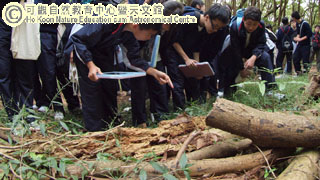
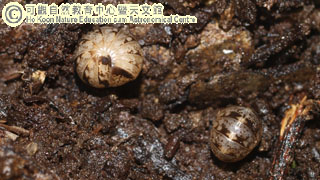
枯枝落葉堆中的奇趣生態 Interesting ecology in the litter
量度和評估野外枯枝落葉堆的非生物因子,並且找出枯枝落葉堆小生境中極多樣化的小動物,藉此進一步了解演替作用和動物如何適應獨特環境。Measure and access the abiotic factors of leaf litter in wild, and find out the highly diversified small animals living in the leaf litter micro-habitat, in order to better understand ecological succession and how animals adapt to special environment.
考察地點 Field Site: 可觀生態徑和下花山 Ho Koon Eco Trail & Ha Fa Shan (步行前往考察地點 Walk to the field site)
適合考察時間 Suitable time for field work:全年 Whole Year
下載《枯枝落葉堆中的奇趣生態》中英雙語工作紙 Download《Interesting ecology in the litter》Chinese & English bilingual worksheet
考察報告示例 Field Study Report Examples
____________________________________________________________________________________
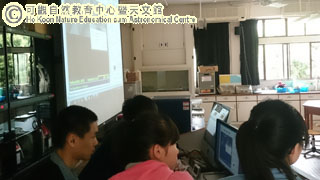
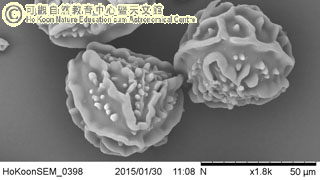
電子顯微鏡生態探索 Electron Microscope Eco Exploration
在野外收集不同種類的花粉、孢子囊和細小節肢動物,然後學生親自操作掃描式電子顯微鏡,將影像放大數千至過萬倍進行觀測,從而深入了解生物的微結構與生物分類和適應環境的奧妙關係。Collect different species of pollens, spores and small insects in the wild, and then students operate a scanning electron microscope to observe at a few thousand times of magnification to tens of thousand times of magnification, in order to better understand the secret relationship between micro-structure of living organisms and classification as well as adaption to the environment.
考察地點 Field Site: 可觀生態徑 Ho Koon Eco Trail (步行前往考察地點 Walk to the field site)
適合考察時間 Suitable time for field work:全年 Whole Year
下載《電子顯微鏡生態探索》中英雙語工作紙 Download《Electron Microscope Eco Exploration》Chinese & English bilingual worksheet
考察報告示例 Field Study Report Examples
____________________________________________________________________________________
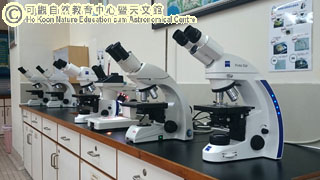
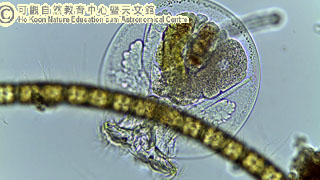
顯微鏡生態探索 Microscope Eco Exploration
在野外收集淡水微生物樣本,置於複式顯微鏡底下,以暗場、相位對比等各種顯微鏡成像技術作觀察,可更深入認識淡水微生物學,同時全面掌握高端複式顯微鏡的操作技術。Collect aquatic micro-organism samples in the wild, place under compound microscope and use different microscopic imaging settings such as dark field, and phase contrast to observe. For better knowledge on aquatic microscopic lives as well as fully grasp of the skills to control an high end compound microscope.
考察地點 Field Site: 可觀生態池 Ho Koon Eco Pool (步行前往考察地點 Walk to the field site)
適合考察時間 Suitable time for field work:全年 Whole Year
下載《顯微鏡生態探索》中英雙語工作紙 Download《Microscope Eco Exploration》Chinese & English bilingual worksheet
考察報告示例 Field Study Report Examples
____________________________________________________________________________________
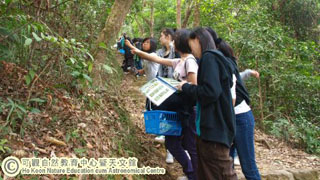
考察大埔滘自然護理區 Study of Tai Po Kau Nature Reserve
在考察整個過程中,學生要找出各種不同生境如次生樹林、人工植林、灌木叢和河溪等的特質,認識一些本地常見的動植物分類,與及這些生物與生態系統中一些重要的非生物因素的關係,同時培養欣賞生物多樣性及對生物尊重的心。
In the field survey, students have to differentiate and characterize the different habitats such as secondary forest, plantation, shrubland and stream etc. They shall also learn simple classification of common local plants and animals, and their relationship with the abiotic factors. The course also helps students to develop appreciation of the biodiversity and respectfulness towards all living things.
考察地點 Field Site: 大埔滘自然護理區 Tai Po Kau Nature Reserve (需安排交通前往考察地點 Need to arrange transportation to reach the field site)
適合考察時間 Suitable time for field work:全年 (3-11 月較佳) Whole Year (better from March to November)
更多資料 More Information
下載「大埔滘自然護理區」導引模式中英雙語工作紙 Download "Tai Po Kau Nature Reserve" Instructional Approach Chinese & English billngual worksheet
「大埔滘自然護理區」探究模式(一)工作紙下載 (中文)
"Tai Po Kau Nature Reserve" Investigatory Approach 1 Worksheet Download (English)
「大埔滘自然護理區」探究模式(二)工作紙下載 (中文)
"Tai Po Kau Nature Reserve" Investigatory Approach 2 Worksheet Download (English)
考察報告示例(導引模式) Field Study Report Examples (Instructional Approach)
考察報告示例(探究模式) Field Study Report Examples (Investigatory Approach)
____________________________________________________________________________________
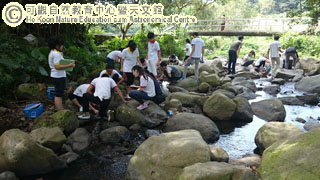
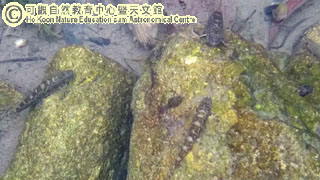
考察淡水溪流生態系統 Study of Freshwater Stream Ecosystem
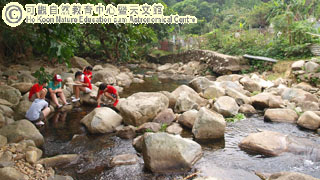
讓學生在典型香港上游河溪觀察和記錄各種動植物,同時量度多項非生物因素,並取水樣本進行簡單的化學測試,分析各類所得數據。過程當中,學生能認識整個生態系統的構成和運作。
Students go to the typical upper stream for observing and recording animal and plant species and measuring the abiotic factors. Water samples are taken for chemical analysis. In the course, students should able to understand the functioning of an ecosystem.
考察地點 Field Site: 大帽山川龍/大橋 Chuen Lung/ Ta Kiu, Tai Mo Shan (可選擇步行前往考察地點 Walking to the field site is optional)
適合考察時間 Suitable time for field work:全年 Whole year
更多資料 More information
下載《考察淡水溪流生態系統》導引模式中英雙語工作紙 Download《Study of Freshwater Stream Ecosystem》Instructional approach Chinese & English bilingual worksheet
「淡水溪流」探究模式(一)工作紙下載 (中文)
"Freshwater Stream" Investigatory Approach (1) Worksheet Download (English)
「淡水溪流」探究模式(二)工作紙下載 (中文)
"Freshwater Stream" Investigatory Approach (2) Worksheet Download (English)
考察報告示例(導引模式) Field Study Report Examples (Instructional Approach)
考察報告示例(探究模式) Field Study Report Examples (Investigatory Approach)
____________________________________________________________________________________
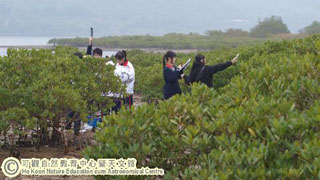
考察紅樹林生態系統 Study of Mangrove Ecosystem
海岸生境中以紅樹林最為人熟悉,學生可以認識不同的紅樹及類紅樹品種,記錄各種潮間帶的動物,同時量度各項非生物因素。學生透過觀察各種動植物的分佈和適應性,更能明白生物與環境間的關係。
Mangrove stands is one of the most well known coastal habitats. Students can learn how to identify different mangrove plant species as well as diversified animals living in the inter-tidal zone, and at the same time to measure various abiotic factors of the habitat. By observing the distribution and adaptive features of the animals and plants, students could better understand the relationships between the physical environment and living organisms.
考察地點 Field Site: 大埔汀角/西貢西徑、 Ting Kok, Tai Po/Sai Keng, Sai Kung (需安排交通前往考察地點 Need to arrange transportation to reach the field site)
適合考察時間 Suitable time for field work :潮退時段 (潮汐預報圖) Low tide periods (Predicted Tides)
更多資料 More information
下載《考察紅樹林生態系統》導引模式中英雙語工作紙 Download《Study of Mangrove Ecosystem》Instructional approach Chinese & English bilingual worksheet
「紅樹林」探究模式(一)工作紙下載 (中文)
"Mangrove" Investigatory Approach (1) Worksheet Download (English)
「紅樹林」探究模式(二)工作紙下載 (中文)
"Mangrove" Investigatory Approach (2) Worksheet Download (English)
考察報告示例(探究模式) Field Study Report Examples (Investigatory Approach)
____________________________________________________________________________________
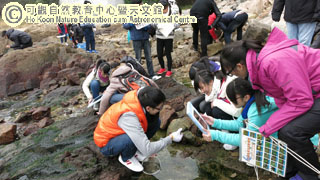
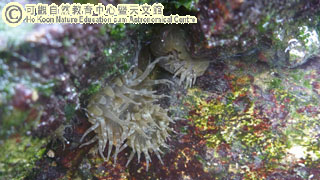
考察岩岸生態系統 Study of Rocky Shore Ecosystem
學生在岩岸觀察和記錄各種動植物,同時量度各項非生物因素,之後亦會對水樣本進行簡單的化學測試。過程當中,學生更認識生物成帶現象及整個生態系統的構成和運作。
Students observe and record animals and plants of a rocky shore and also measure the abiotic factors. Water samples are taken for chemical analysis. In the course, students should learn the concept of zonation and know more about the functioning of an ecosystem.
考察地點 Field Site: 馬灣 Ma Wan (需安排交通前往考察地點 Need to arrange transportation to reach the field site)
適合考察時間 Suitable time for field work :潮退時段 (潮汐預報圖) Low tide periods (Predicted Tides)
更多資料 More information
下載《考察岩岸生態系統》導引模式中英雙語工作紙 Download《Study of Rocky Shore Ecosystem》Instructional approach Chinese & English bilingual worksheet
岩岸探究模式(一)工作紙下載 (中文)
Rockyshore Investigatory Approach (1) Worksheet Download (English)
岩岸探究模式(二)工作紙下載 (中文)
Rockyshore Investigatory Approach (2) Worksheet Download (English)
考察報告示例 Field Study Report Examples
____________________________________________________________________________________
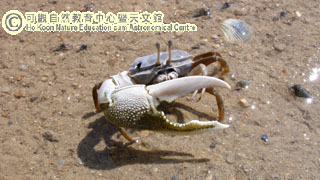
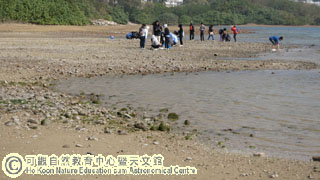
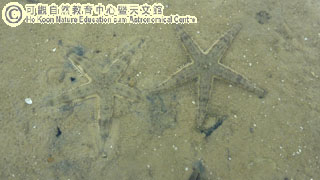
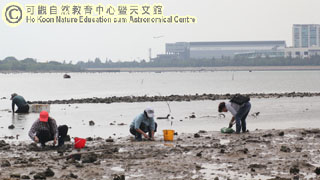
考察沙坪生態系統 Study of Sand Flat Ecosystem
學生在沙坪觀察和記錄各種動植物,同時量度各項非生物因素,之後亦會對水樣本進行簡單的化學測試。過程當中,學生更認識生物成帶現象及整個生態系統的構成和運作。
Students observe and record animals and plants of a Sand Flat and also measure the abiotic factors. Water samples are taken for chemical analysis. In the course, students should learn the concept of zonation and know more about the functioning of an ecosystem.
考察地點 Field Site: 馬鞍山海星灣/大埔汀角東 Starfish Bay, Ma On Shan/Ting Kok East, Tai Po (需安排交通前往考察地點 Need to arrange transportation to reach the field site)
適合考察時間 Suitable time for field work :潮退時段 (潮汐預報圖) Low tide periods (Predicted Tides)
更多資料 More information
下載《考察沙坪生態系統》導引模式中英雙語工作紙 Download《Study of Sand Flat Ecosystem》Instructional approach Chinese & English bilingual worksheet
「沙坪」探究模式(一)工作紙下載 (中文)
"Sand Flat" Investigatory Approach (1) Worksheet Download (English)
「沙坪」探究模式(二)工作紙下載 (中文)
"Sand Flat" Investigatory Approach (2) Worksheet Download (English)
考察報告示例(探究模式) Field Study Report Examples (Investigatory Approach)
____________________________________________________________________________________
鳥類調查 Bird Survey
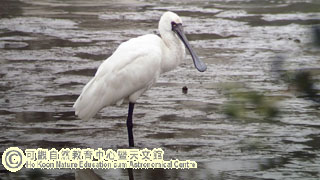
這課程讓學生有機會到訪拉姆薩爾國際重要濕地的一隅,既能認識不同濕地生境與鳥類的關係,更能學習基礎的觀鳥和辨別鳥類的技巧,並利用單筒和雙筒望遠鏡,進行簡單的鳥類調查工作。希望學生能體會到「觀鳥,觀自然」的樂趣。
Students can visit the internationally important wetland Ramsar Site, to learn about the wetland habitats and the birds inhabiting in. They can learn basic technique of birdwatching and identification and use the spotting scope and binoculars to conduct simple count on the birds. Students can enjoy the birdwatching activity and hence appreciating the nature.
考察地點 Field Site: 南生圍 Nam Seng Wai (需安排交通前往考察地點 Need to arrange transportation to reach the field site)
南生圍全境圖 Nam Sang Wai Panoramic views
適合考察時間 Suitable time for field work:11-4月 November to April
下載鳥類調查工作紙 (中文)
Download Bird Survey worksheets (English)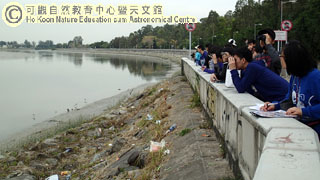
____________________________________________________________________________________
蝴蝶調查 Butterfly Survey
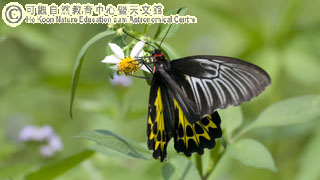
這課程帶學生到城門水塘賞蝶園和觀蝶園,學習基礎觀蝶技巧和認識一些本港常見蝴蝶品種,並嘗試進行蝴蝶調查及量度非生物因素,找尋蝴蝶分佈與環境的關係。
Investigation is conducted in the two Butterfly Gardens in Shing Mun Country Park. Students shall learn the basic skills in butterfly watching and identification and try to conduct the butterfly and to measure abiotic factors. Finally, stuents try to find out the relation between the environment and butterfly distribution.
考察地點 Field Site: 城門水塘 Shing Mun Reservoir (需安排交通前往考察地點 Need to arrange transportation to reach the field site)
適合考察時間 Suitable time for field work:4-11月 April to November
下載蝴蝶調查工作紙 (中文)
Download Butterfly Survey worksheets (English)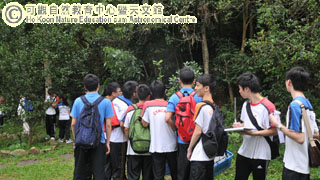
____________________________________________________________________________________
探究河溪污染 Study of Stream Pollution
(對象為選修應用生態學的學生 For students studying Applied Ecology Elective)
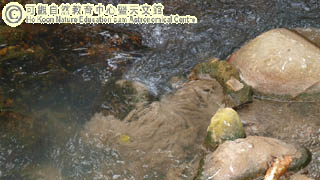
學生去到不同水質的地點,測度各項水污染物成份,同時觀察調查指示生物的分佈,深入探討水污染問題。
Students go to sites with different water pollution level, measure the amount of various pollutants, and at the same time, observe distribution of biological indicators, so as to study the issue of water pollution in deep.
考察地點 Field Site: 川龍 Chuen Lung (需安排交通前往考察地點 Need to arrange transportation to reach the field site)
適合考察時間 Suitable time for field work:全年 Whole Year
更多資料 More information
下載《探究河溪污染》中英雙語工作紙 Download 《Study of Stream Pollution》Chinese English Bilingual Worksheet.
考察報告示例 Field Study Report Examples
____________________________________________________________________________________
空氣污染 Air Pollution
(對象為選修應用生態學的學生 For students studying Applied Ecology Elective)
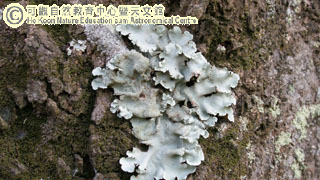
學生去到不同空氣質素的地點,測度各項空氣污染物成份,同時觀察調查指示生物的分佈,繼而深入探討空氣污染問題。
Students go to sites with different air pollution level, measure the amount of various pollutants, and at the same time, observe distribution of biological indicators, so as to study the issue of air pollution in deep.
考察地點 Field Site: 川龍和荃灣 Chuen Lung & Tsuen Wan (需安排交通前往考察地點 Need to arrange transportation to reach the field site)
適合考察時間 Suitable time for field work:全年 Whole Year
更多資料 More information
下載空氣污染工作紙 (中文)
Download Air Pollution worksheets (English)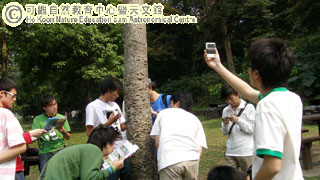
____________________________________________________________________________________
保育與發展 - 塱原 Conservation and Development - Long Valley
(對象為選修應用生態學的學生 For students studying Applied Ecology Elective)
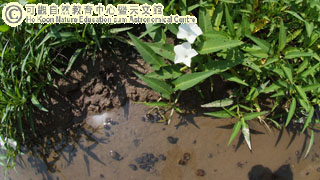
這課程結合野外考察和議題探討,帶學生到在保育與發展上極具爭議的地點進行實地考察,學生可藉著親身的體驗,認識當地具保育價值的物種和生境,同時瞭解社會對發展的需求,最終希望學生利用討論,來反思可持續發展的概念與應用。
This course combines field study and issue-based discussion. Students shall visit a place with controversial development proposal. Students can learn about the species and habitat with conservation value and know about the developmental needs. Through discussion, students are encouraged to reconsider the concept of Sustainable Development and its applications.
考察地點 Field Site: 塱原 Long Valley (需安排交通前往考察地點 Need to arrange transportation to reach the field site)
適合考察時間 Suitable time for field work:全年 Whole Year
塱原更多資料 More information about Long Valley
下載《保育與發展 - 塱原》工作紙 (中文)
Download 《Conservation & Development - Long Valley》 worksheets (English)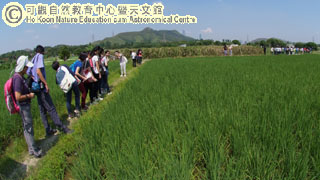
____________________________________________________________________________________
保育與發展 - 東涌 Conservation and Development - Tung Chung
(對象為選修應用生態學的學生 For students studying Applied Ecology Elective)
這課程結合野外考察和議題探討,帶學生到在保育與發展上極具爭議的地點進行實地考察,學生可藉著親身的體驗,認識當地具保育價值的物種和生境,同時瞭解社會對發展的需求,最終希望學生利用討論,來反思可持續發展的概念與應用。
This course combines field study and issue-based discussion. Students shall visit a place with controversial development proposal. Students can learn about the species and habitat with conservation value and know about the developmental needs. Through discussion, students are encouraged to reconsider the concept of Sustainable Development and its applications.
考察地點 Field Site: 東涌 Tung Chung (需安排交通前往考察地點 Need to arrange transportation to reach the field site)
適合考察時間 Suitable time for field work:全年 Whole Year
東涌全境圖 Tung Chung Panoramic views
下載《東涌新規劃 - 保育與發展》中英雙語工作紙 Download 《Conservation & Development - Tung Chung》Chinese English Bilingual worksheets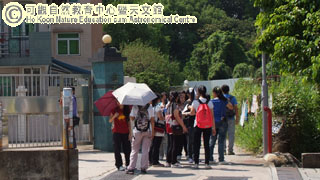
____________________________________________________________________________________
夜間生態導賞 Guided Eco-tour in the dark
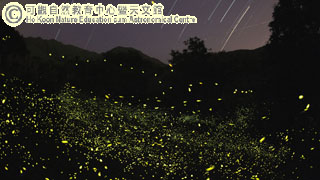
在大埔滘自然護理區窺探多彩多姿的夜間生能 - 紫外光下展露黃色熒光的蠍子、夜光真菌、多樣性甚高的螢火蟲、"青蛙演唱會" ...。Discover the gorgeous nocturnal world in Tai Po Kau Nature Reserve - Yellow fluorescent scorpion under UV light, glowing fungi, highly diversified fireflies, "the frogs' concert" ....
考察地點 Field Site: 大埔滘自然護理區 Tai Po Kau Nature Reserve (需安排交通前往考察地點 Need to arrange transportation to reach the field site)
適合考察時間 Suitable time for field work:September to December, March to July 九月至十二月、三月至七月
只適合三天、四天或五天住宿考察課程 Only suitable for 3-day, 4-day or 5-day residential field study courses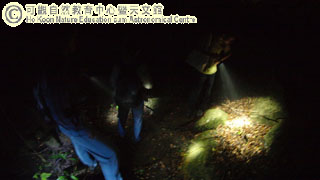
Login to Electronic System for Topic Selection and Course Information System